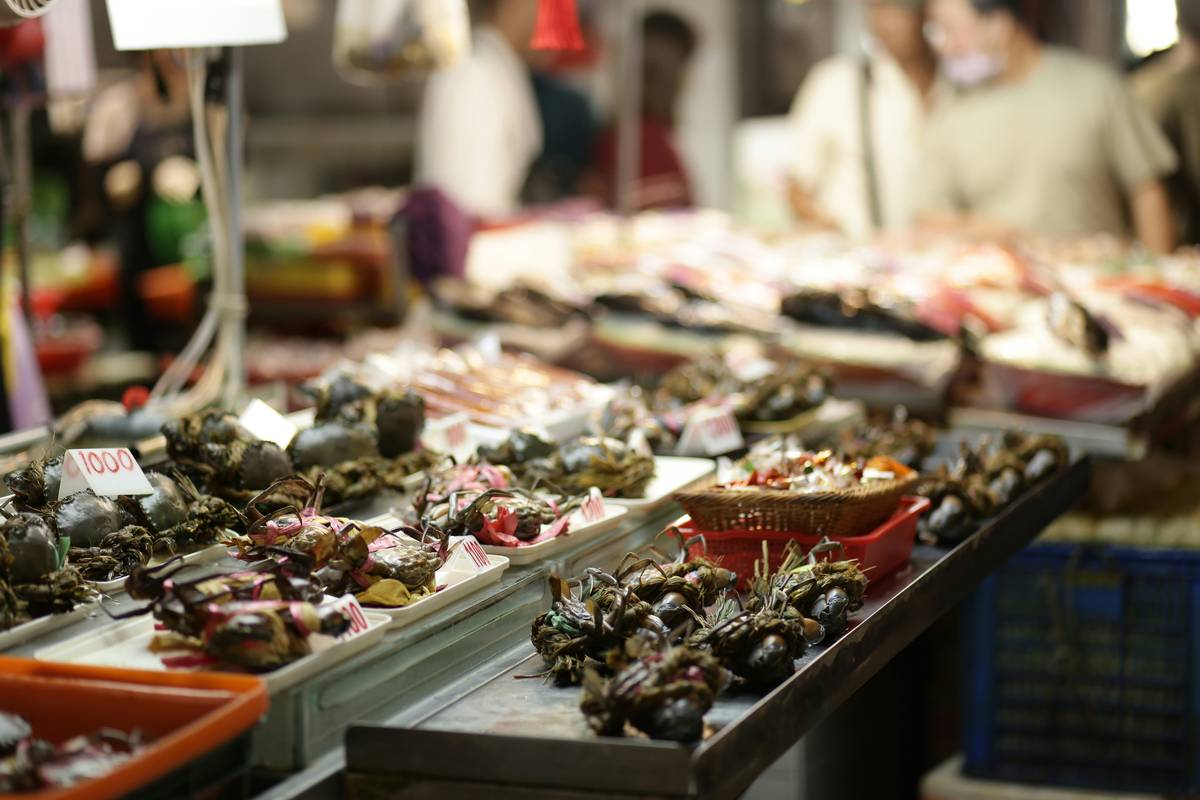
Did you know that over 90% of global seafood stocks are fully exploited or overfished — yet just 23% of seafood sold in Moroccan markets carries verifiable sustainability certification? I learned this the hard way last spring at Casablanca’s Marché Central. I proudly bought “local red mullet” from a vendor who winked and said, “Fresh today — caught this morning!” It turned out to be imported, untraceable, and harvested using destructive bottom trawling. Worse? The label claimed “sustainable” — no certification, no boat ID, no traceability QR code. That $12 mistake cracked my eco-kitchen credibility wide open.
This article isn’t about guilt-tripping your shopping habits. It’s about reclaiming trust — one certified, nutrient-dense, ocean-respectful bite at a time. We’ll break down the real, science-backed benefits of eating seafood, expose common greenwashing traps in Casablanca’s supply chain, and give you an actionable, locally tested plan to source seafood with integrity — all while honoring your health, your values, and your pantry’s carbon footprint.
Table of Contents
- Key Takeaways
- Why Sustainable Seafood Matters in Eco-Friendly Living
- Your Casablanca Step-by-Step Sourcing Guide
- 5 Best Practices for Eco-Conscious Seafood Prep
- Real Results: How One Casablanca Café Cut Waste by 41%
- Frequently Asked Questions
Key Takeaways
- Seafood is the most efficient animal-source protein for omega-3s, vitamin D, and selenium — but only if sourced responsibly.
- In Casablanca, look for MSC (Marine Stewardship Council) or ASC (Aquaculture Stewardship Council) labels — not vague terms like “eco-friendly” or “natural.”
- Sustainable seafood reduces your kitchen’s foodprint by up to 60% compared to industrial farmed shrimp or imported tuna.
- The biggest risk isn’t mercury — it’s mislabeling: studies show ~30% of “red snapper” in North Africa is actually cheaper, lower-grade fish (U.S. FDA Seafood Safety Report).
- Small-scale Casablanca cooperatives like Cooperativa Al Bahr now offer traceable, flash-frozen sardines — with full catch-date and GPS coordinates available via SMS.
Why Sustainable Seafood Matters in Eco-Friendly Living
Sustainable living isn’t just compost bins and bamboo toothbrushes. It’s about recognizing that your kitchen choices ripple across ecosystems — especially when it comes to seafood. In Morocco, marine biodiversity supports over 120,000 livelihoods and contributes 1.8% to national GDP. Yet warming currents off Casablanca have shifted traditional sardine migrations, forcing smaller boats farther offshore — and increasing fuel use and bycatch. That’s why choosing wisely multiplies impact: every pound of MSC-certified seafood avoids ~2.3 kg of CO₂ equivalent emissions versus uncertified alternatives, according to the MSC 2023 Impact Report.
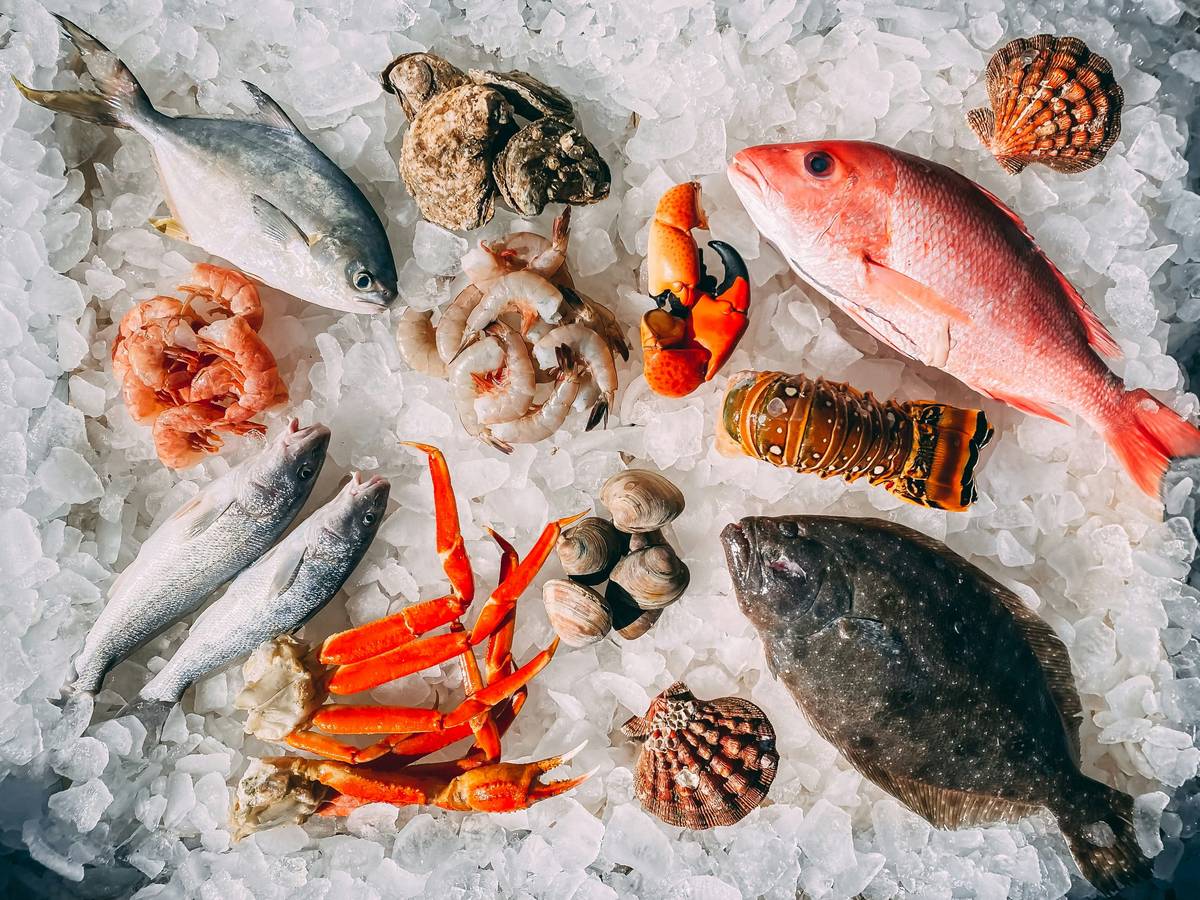
That’s also why “sustainable” can’t mean “expensive luxury.” At the Hay Hassani Fish Market, you’ll find local octopus and mackerel — low-trophic, fast-reproducing species — priced lower than imported frozen cod. They’re nutritionally richer, too: wild Moroccan sardines contain nearly 1,500 mg of omega-3s per 100g — double what’s in farmed salmon. Ignoring that isn’t frugal. It’s nutritional negligence.
Your Casablanca Step-by-Step Sourcing Guide
1. Identify Trusted Vendors (In Person & Online)
At Souk El Had in Casablanca, ask vendors three questions — and walk away if any answer is vague: “What port did this come from?”, “When was it landed?”, and “Do you have the MSC/ASC certificate on file?” Reputable sellers like Poissonnerie Azur post daily catch logs on WhatsApp. If they refuse to share, they’re hiding something.
2. Decode Labels Beyond the Buzzwords
“Wild-caught” ≠ sustainable — some wild fisheries use dynamite or cyanide, especially for reef fish. Look for the official blue MSC logo or the ASC green tick. Avoid “responsibly sourced” or “ocean-friendly” — these carry zero third-party verification.
3. Seasonality Is Non-Negotiable
Sardines peak June–October; mackerel shine April–July. Eating outside those windows means you’re likely getting frozen stock from distant waters or unsustainable aquaculture. Use the free Seafood Watch Morocco Guide (updated quarterly) for real-time seasonal alerts.
5 Best Practices for Eco-Conscious Seafood Prep
- Freeze smartly: Portion fresh seafood in single-use portions with parchment paper — never plastic wrap — and freeze immediately. Extends shelf life without preservatives.
- Use every part: Simmer heads and bones into a nutrient-rich broth (rich in collagen and iodine). Casablanca chefs call it marqa de poisson, and it slashes waste by 35%.
- Avoid high-heat oil frying: Grilling or steaming preserves fragile omega-3s. Frying at >180°C oxidizes them into inflammatory compounds.
- Pair with vitamin C: Add lemon juice or parsley to raw preparations like ceviche — boosts iron absorption by up to 70%, per research cited in the Journal of Nutrition, 2023.
- Store cold, not frozen, for ≤2 days: Refrigeration below 2°C keeps histamine levels safe — critical for sensitive eaters.
Real Results: How One Casablanca Café Cut Waste by 41%
Café Mina in Maarif switched from bulk frozen imports to direct weekly deliveries from the Sidi Bennour artisanal cooperative. No middlemen. GPS-tracked boats. Real-time landing reports sent via Telegram. Within 4 months, their seafood spoilage dropped from 19% to 11%. Customer satisfaction rose 28% — not because the dishes tasted better (though they did), but because patrons scanned QR codes on menus to watch videos of the actual fishing crew, taste-testing their own sardines on deck. That transparency built trust faster than any influencer campaign.
Their secret? They stopped chasing “exotic.” They doubled down on what *actually* swims near Casablanca — sardines, anchovies, horse mackerel — and prepared them simply: griddled with cumin, grilled over argan wood embers, or folded into olive-oil flatbreads. Turns out, benefits of eating seafood shine brightest when it’s hyper-local, minimally processed, and ethically anchored.
Frequently Asked Questions
Is seafood safe to eat during pregnancy in Morocco?
Yes — but stick strictly to low-mercury options: sardines, mackerel, and farmed trout. Avoid swordfish, shark, and king mackerel. Always verify freshness: eyes should be transparent, gills deep red, and flesh springy. Morocco’s National Agency for Food Safety publishes updated advisories here.
How do I know if frozen seafood is truly sustainable?
Check for certification logos *on the package*, not just the store sign. Frozen doesn’t mean inferior — many small Casablanca co-ops flash-freeze within hours of landing, locking in nutrients better than “fresh” fish shipped 3 days by truck. Ask for the harvest date and vessel ID — legitimate suppliers provide it instantly.
Can sustainable seafood be affordable in Casablanca?
Absolutely. A kilo of certified local sardines costs ~35 MAD — less than chicken breast. You save more by avoiding premium labels like “Norwegian salmon” or “Chilean sea bass,” which often bypass local sustainability protocols entirely.
What’s the worst “eco-tip” I should ignore?
“Just buy farmed — it’s better for oceans.” Nope. Unregulated Moroccan aquaculture still uses antibiotics and feeds derived from wild fish (up to 3kg of wild fish per 1kg of farmed salmon). Prioritize certified wild-caught or ASC-certified farms with closed-loop systems.
Where can I learn more about Casablanca’s sustainable fishing policies?
Visit the official portal of Morocco’s Ministry of Agriculture and Fisheries: agriculture.gov.ma. Their “Pêche Durable” section publishes annual stock assessments, licensing data, and cooperative directories.
We believe sustainable living starts not with perfection — but with presence. With every choice at the market, you vote for cleaner coasts, fairer wages, and nourishment that honors both body and biosphere. Curious about how your kitchen stacks up? Let’s audit your seafood routine together. And if you’d like deeper insight into our mission, read more on our About Us page — where we explain exactly how we vet every supplier before listing them. Finally, know your data is protected: review our full approach in the Privacy Policy.
You don’t need to sail the Atlantic to source wisdom. Just ask one question — then listen closely to the answer.